A pest infestation sign is any clue that pests are living, feeding, nesting, or moving through your home or yard. That matters because pest infestation signs usually show up long before you find the actual culprit, and catching those clues early can save you a lot of mess, damage, and money.
## What pest infestation signs actually look like
Most infestations do not start with some dramatic movie moment where bugs pour out of a wall. Usually, it is smaller than that. A few pepper-like specks in the pantry. A faint scratching sound over the garage just after sunset. A shrub bed near the front walk that suddenly looks rough even though your watering schedule has not changed.
That is how this usually works in real homes around Grand Junction. Pests leave a trail of hints. Your job is not to become a bug expert overnight. Your job is to notice the pattern: signs that something is feeding, hiding, traveling, or settling in where it should not.
## The earliest signs most homeowners notice first
The first signs tend to be broad, not specific. You notice that something feels off before you know what it is. That is normal.
Early action matters because pests multiply quietly. What starts as a little activity in a garage corner or under a sink can turn into damaged food, chewed wiring, nesting in insulation, or plant loss outside. Small clues are the cheap part of the problem. Waiting is what gets expensive.
### Droppings, urine spots, and tiny specks
Droppings are one of the most common early clues. You may find them along baseboards, under sinks, behind pantry items, in garage corners, or in attic edges where nobody looks for weeks at a time. Some are dark and rice-shaped. Some look more like fine specks.
You may also notice urine spots or staining in areas with repeated activity, especially around rodents. And then there is frass, which simply means insect waste. Frass can look like sawdust, coffee grounds, or black pepper, depending on the insect. If you keep seeing mystery debris in the same place after cleaning it up, that is not random house dust.
### Scratching, scurrying, buzzing, or tapping sounds
When the house gets quiet, pests get loud.
You may hear scratching in the walls, soft scurrying above a bedroom ceiling, buzzing near a window, or tapping from wood where insects are active. Night and early morning are often when these sounds stand out most, especially in attics, crawl spaces, under decks, or behind appliances.
A single strange sound once is just a strange sound. Repeated sounds in the same area are a signal.
### Odd smells that were not there before
A new smell with no obvious cause is worth taking seriously. Rodents can leave an ammonia-like odor. Roaches often create a musty, oily smell. Nesting areas can turn sour fast, especially in enclosed spaces with poor airflow.
Every home has its own normal smells. Laundry room detergent, garage tools, dry air, fresh-cut grass from outside. But if a closet, cabinet, or corner starts smelling off for no clear reason, do not brush it off as house weirdness.
### Seeing more dead bugs than usual
Dead insects on a windowsill, piles of shed wings, or repeated bug cleanup in the same room can point to a hidden population nearby. That is the part people miss. More dead bugs does not always mean the problem is over. Sometimes it means the source is close.
Wing piles are especially telling. If you notice little heaps near windows, doors, or baseboards, something may be swarming or nesting out of sight.
## Physical damage pests leave behind
Noise and droppings get attention, but physical damage often tells the clearer story. Pests eat, chew, tunnel, stain, and shred. Once you know what to look for, the damage starts making more sense.
### Gnaw marks, chewed packaging, and small holes
Check food boxes, cereal bags, pet food sacks, cardboard storage, insulation, and even wiring covers. Rodents tend to leave clean, noticeable bite marks because gnawing is how they keep teeth worn down. Tiny holes in dry goods or pantry packaging can point more toward insects.
Fabric damage matters too. Small holes in stored clothes, napkins, or blankets can come from insects or nesting activity. If the damage keeps showing up in tucked-away spots, something is using that space.
### Grease marks, rub marks, and tracks
Rodents are creatures of habit. Once a route feels safe, that route gets used again and again. Over time, body oils and dirt from fur leave dark smudges along walls, baseboards, beams, and entry points.
In dusty garages, basements, or storage rooms, you may also spot tiny footprints or tail marks. It looks a bit like somebody dragged a string through flour. That pattern is a giveaway because random dirt does not repeat itself in the same lane.
### Damaged wood, hollow spots, and peeling paint
Wood damage can be subtle at first. Trim may feel soft. Paint may bubble or peel in odd patches. Baseboards can warp. A windowsill or door frame may sound hollow when tapped, almost like knocking on a cardboard box instead of solid wood.
That does not automatically mean termites, but wood-destroying pests should be on your list. The catch is that early wood damage often looks like a moisture issue, which is why it gets ignored.
### Nests, webs, and shredded material
Nesting evidence is usually made from whatever is close by. Shredded paper, dried grass, insulation, pet fur, fabric scraps, and bits of cardboard all get pulled together into hidden little bundles.
Look behind appliances, inside sheds, in attic corners, and along garage shelving. Webs can matter too, especially if you clear them away and they come right back in the same protected spot. A fresh web once is normal. Persistent webbing in one area tells you that spot is actively being used.
## Where to check inside your home first
If you start checking random rooms, you will waste time and miss the obvious. Pests tend to favor the same kinds of places: food, water, shelter, and quiet.
### Kitchen, pantry, and under-sink areas
Start in the kitchen because it offers everything pests want. Crumbs, food packaging, moisture, warmth, and dark corners. Pull out a few pantry items and check for droppings behind canned goods, torn packaging, or insect activity in flour, cereal, rice, or pet treats.
Then look under the sink. Plumbing gaps, damp wood, and slow leaks create a perfect hiding place for moisture-loving pests. Even a small drip can turn that cabinet into prime real estate.
### Attic, basement, crawl space, and garage
These spaces are quiet, dark, and often full of stored material. That makes them ideal for nesting and movement. Check for disturbed insulation, droppings, shredded nesting material, chewed boxes, and pathways along walls.
Your garage deserves extra attention in western Colorado. A garage that swings from hot afternoons to cool nights, with pet food, seed, cardboard, and a little clutter, can become a pest stopover fast.
### Bedrooms, laundry rooms, and closets
These areas get overlooked because they feel cleaner and more personal, but pests like stillness. In bedrooms and closets, watch for small stains on bedding, shed skins, bite patterns, or signs of bed bugs around mattress seams and headboards. In closets and laundry rooms, check stored fabrics, cardboard boxes, and undisturbed corners for holes, webbing, or insect debris.
The point is not to panic over every speck. The point is to notice repeated signs in places that stay quiet for long stretches.
## Outdoor pest infestation signs around your property
A lot of infestations start outside and move inward. That is especially true in places like Grand Junction, where dry weather, irrigation, shade, and stacked materials can create little pockets of moisture and shelter around the yard.
### Damaged plants, patchy lawn areas, and chewed leaves
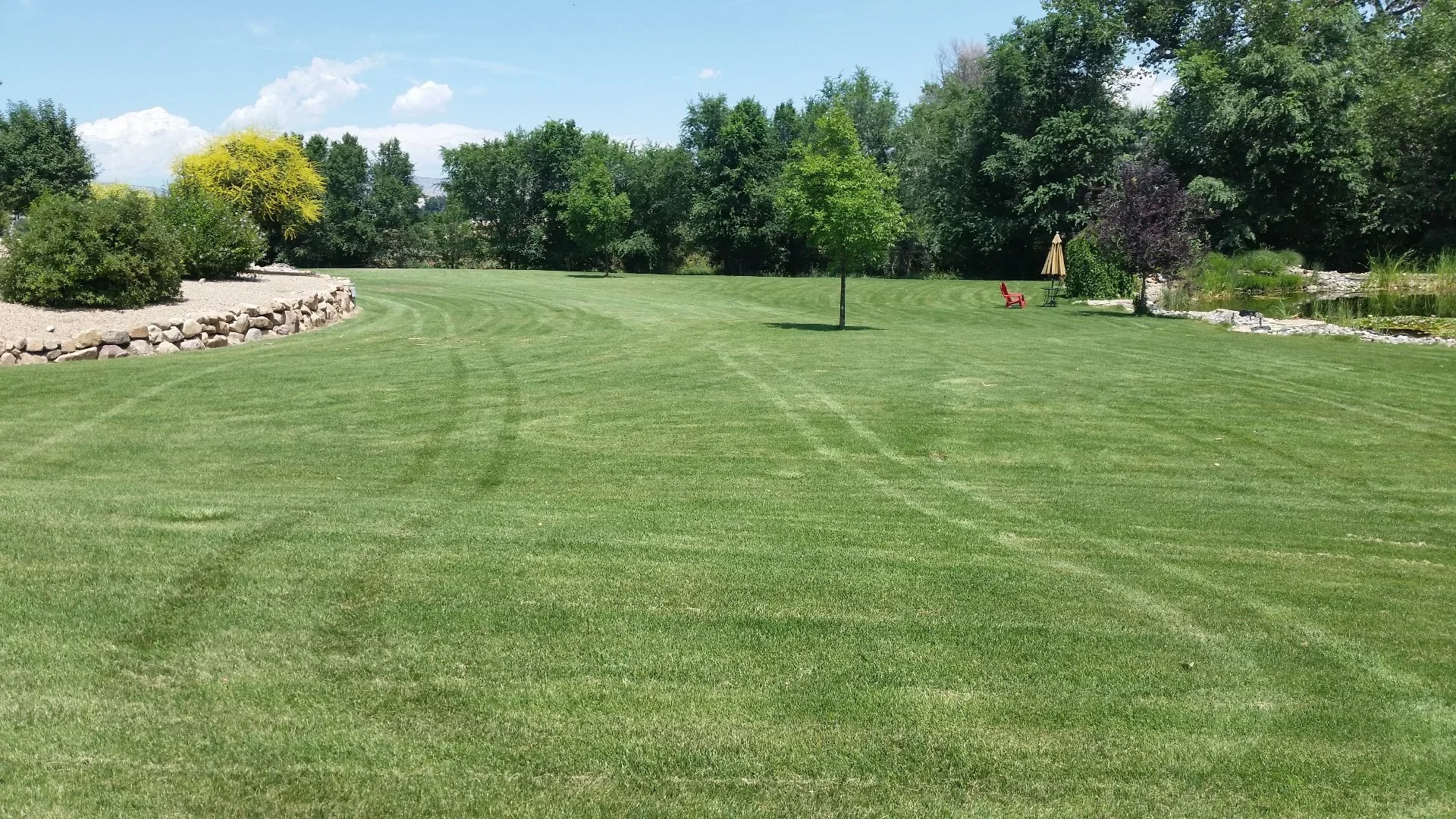
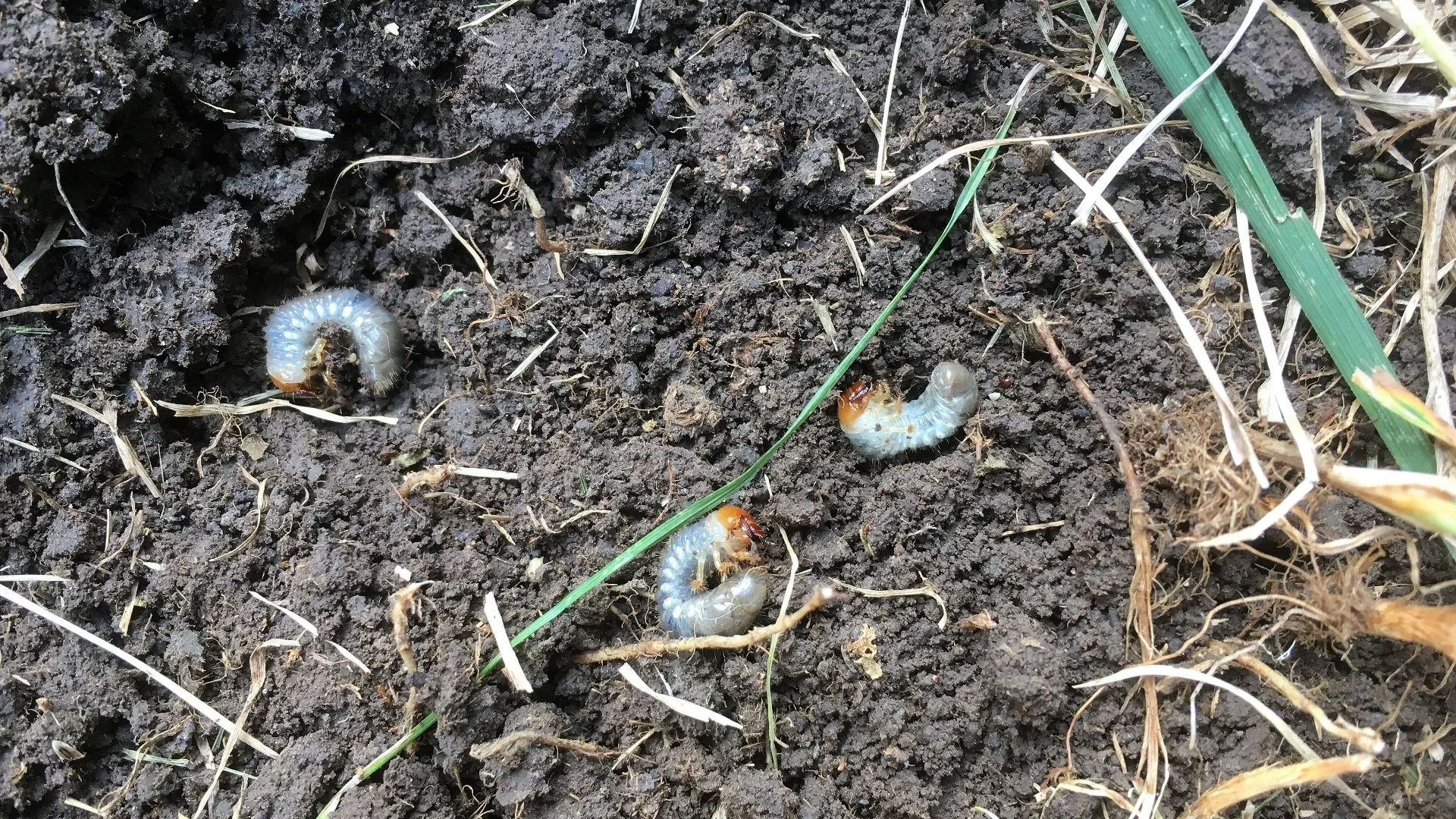
If plants wilt despite regular watering, leaves look ragged, or lawn patches thin out for no clear reason, pests may be involved. Chewed edges, tunneled soil, mounds, and sudden decline in shrubs all deserve a closer look.
Plant damage can feel easy to dismiss, especially during a hot stretch in July. But if one bed along the fence is struggling while everything around it looks fine, something more than weather may be going on.
### Activity near foundations, downspouts, and wood piles
Foundations collect a lot of what pests love: moisture, mulch, cracks, and cover. Check around downspouts, stacked firewood, wood mulch, and shaded corners. Burrows, mud tubes, insect swarms, and narrow rodent pathways near the base of the house are all warning signs.
Poor drainage makes this worse. Water that lingers near the foundation does not just bother the house. It invites activity close to entry points.
### Wasps, ants, and buzzing insects around eaves or soil
A few seasonal insects are normal. Repeated traffic is different.
If you keep seeing ants tracing the same line along a patio edge, wasps circling one section of eaves, or buzzing insects rising from one bare patch of soil, there may be a nest nearby. Watch the pattern. Random visitors wander. Nest-related activity has a route and a destination.
## Seasonal patterns that can change what you notice
Pest signs shift with the season, which is why timing matters. The same home can show one kind of clue in June and a completely different one in November.
### Spring and summer signs
Warmer months bring more visible activity. Swarming insects, ant trails, chewed leaves, lawn damage, and wasp movement around sheds, soffits, patios, and outdoor seating areas are common signs.
This is also when outdoor problems can build quietly. A nest under the eaves or pest pressure in a shrub bed may not feel urgent until it starts pushing closer to doors, windows, or the garage.
### Fall and winter signs
Once temperatures drop, pests start looking for warmth, shelter, and food indoors. That is when scratching in the walls, droppings in the pantry, and activity in garages or crawl spaces often become more noticeable.
In colder months, your home becomes the destination. Signs that were outside in late summer can turn into indoor headaches by fall.
## Common mistakes people make when reading the signs
The biggest mistake is not missing a clue. It is explaining it away too quickly.
### “If I only saw one pest, it’s not a problem”
One visible pest can absolutely mean more are nearby. That is especially true with ants, roaches, termites, and rodents. The one you saw may just be the one that wandered into view.
Think of it like spotting one weed in gravel. Sometimes it is just one weed. Most of the time, more are coming.
### “Clean homes don’t get infestations”
Cleanliness helps, but it does not make your home invisible. Pests also want water, shelter, cracks to slip through, pet food, cardboard, and protected landscaping near the house.
A tidy home with a slow leak under the sink or stacked boxes in the garage can still attract plenty of activity.
### “Outdoor pests stay outdoors”
Not for long, if your property gives them an easy path. Lawn issues, shrub damage, wood piles, and foundation activity often connect directly to indoor problems. Once pests find moisture, food, or a gap around a utility line, the boundary disappears.
## What to do if you notice pest infestation signs
You do not need a perfect diagnosis to take smart action. Start simple and stay calm.
### Start with a simple home-and-yard check
Do a quick walkthrough of the places that matter most: pantry shelves, under sinks, attic access, garage corners, foundation edges, and plant beds near the house. Take a few photos as you go.
That little step helps more than most people expect. If a stain grows, a plant declines, or droppings return in the same spot over the next week or two, you will know it is active and not a one-time fluke.
### Fix the easy attractants first
Seal food tightly. Swap out damp cardboard. Trim plants away from siding. Cut back standing water around pots, drains, and low spots. Seal obvious gaps where pipes, wires, or vents enter the house.
None of that is fancy. It just removes the things pests count on.
### Know when it’s time to call a pest control pro
If signs keep coming back, if wood damage shows up, if nests are tucked into hard-to-reach places, or if sightings become regular, it is time to get help before a small issue turns into a repair bill.
Try one simple inspection today: check under your kitchen sink and along your garage wall before sunset. Those two spots catch more early pest infestation signs than most people realize.
* Disclaimer: This article is for general informational purposes only. It is not professional advice, a quote, or a service agreement. Conditions at your home or property may differ; contact a qualified professional for an on-site evaluation before making repair, safety, or spending decisions.