
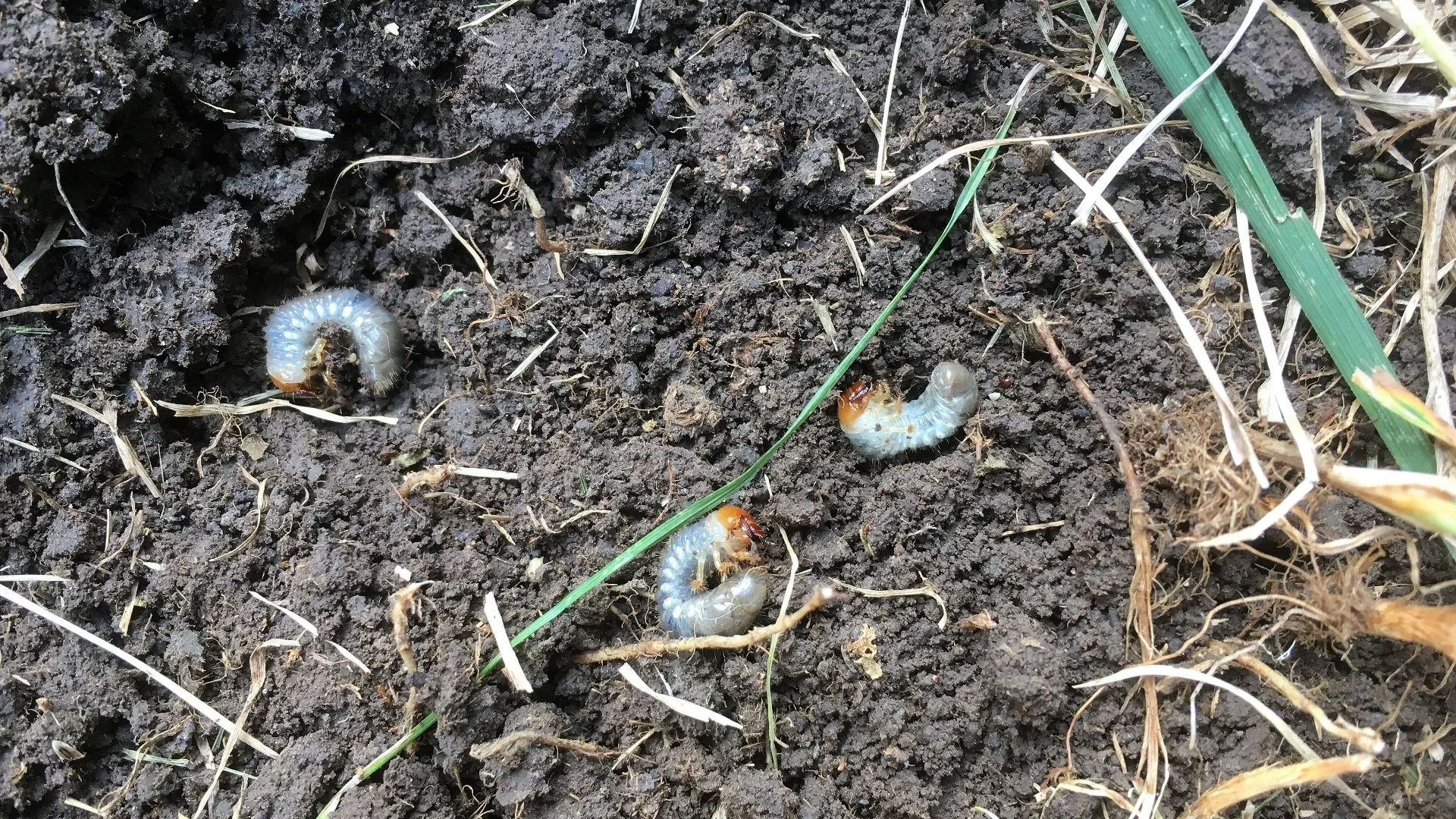
Grand Junction pest control gets confusing fast because one property has a few ants by the back door, while the next has wasps under the eaves, spiders in the basement, and something chewing near the lawn edge. The good news is that choosing the right team is simpler once you know what actually matters, and what is just sales talk.
## What pest control in grand junction usually needs to cover
Pest problems here rarely stay neatly indoors. One hot, dry stretch can push ants inside for water, then a seasonal change brings spider activity, and suddenly the patio you used all week feels off-limits. If your property includes turf, shrubs, garden beds, or ornamental trees, the picture gets even bigger.
That is why pest control in Grand Junction often works best as a property-wide plan, not just a one-time spray around baseboards. Your home or business sits in the middle of outdoor pressure, and the trick is finding a company that treats the source, not just the symptom you noticed this morning.
## How to choose the right grand junction pest control team
The right company should fit your problem, explain the plan clearly, and follow through if pests come back. That sounds obvious, but plenty of quotes make everything sound the same.
### Look for services that match your actual pest problem
A generic package is not automatically a good fit. Ants, spiders, wasps, rodents, bed bugs, and termites all need different approaches, and outdoor pest pressure around lawns or landscaped beds adds another layer. If you need help with mice in a garage, a routine perimeter spray is not enough. If you need wasp nest removal near a play area, you want a team that handles that directly, not one that treats it like an add-on afterthought.
Here’s the thing: broad promises are cheap. Specific answers matter more.
### Ask how inspections and custom treatment plans work
An inspection should do more than confirm that bugs exist. You want someone to identify where pests are getting in, what is attracting them, and which areas need attention first. “Custom plan” should mean your property gets its own treatment approach based on layout, pest type, and timing, not just a different price.
A good explanation is usually easy to understand. Ants trailing from a drip line, wasps nesting under roof edges, or rodents using gaps near utility lines should be pointed out in plain English. If the visit ends with “we’ll take care of it” and not much else, that is not really a plan.
### Check licensing, insurance, and technician training
This part is less exciting, but it matters. Licensed means the company is legally approved to apply pest treatments. Insured means you have better protection if something goes wrong on your property. Training matters because different pests, surfaces, and treatment areas call for different methods.
If a company is legitimate, these details should be easy to confirm. You should not have to drag basic credibility out of anybody.
### Pay attention to communication and follow-through
Good pest control service feels organized. You get a clear arrival window, a written estimate, plain answers, and a straightforward explanation of what happens after treatment. If pests return, you should know whether retreatment is included and how quickly somebody comes back.
That follow-through matters just as much as the first visit. A smooth phone call means nothing if nobody shows up when promised.
## Compare residential and commercial pest control needs
A company that works well for a backyard ant issue may not be the best fit for a restaurant, office, or retail property. The work can overlap, but the service expectations are different.
### For homes: protect living spaces, yards, and pet areas
At home, you usually want control without turning the yard into a place nobody can use. That includes interior safety, recurring exterior treatments, lawn-edge attention, and careful handling near pet areas, play spaces, and ornamental plants. If wasps keep showing up near the patio or shrubs are attracting pest activity, it helps to hire a company that sees the whole property, not just the kitchen.
### For businesses: look for consistency, documentation, and discreet service
Commercial service needs to be steady and low-drama. You want recurring visits, clear records, flexible scheduling, and treatments that do not create a scene for customers or staff. If you manage a business along Patterson Road or near a busy storefront, discreet service is not a bonus. It is part of the job.
## Know which local pest services you may actually need
Not every pest issue belongs under the same service plan. Knowing the categories makes comparing quotes much easier.
### General pest control
This usually covers recurring treatment for common pests like ants, spiders, earwigs, and other crawling insects around homes and buildings. For many properties, this is the maintenance layer that keeps small problems from turning into constant ones.
### Rodent, termite, and bed bug treatments
These problems usually need targeted work beyond standard maintenance service. Droppings in a garage, mud tubes, wood damage, bites, or signs of pests spreading room to room are not “wait and see” issues. If that is what you are dealing with, look for specialty treatment, not a basic spray package.
### Lawn, ornamental, and plant-health treatments
Some pest problems show up in shrubs, trees, and landscaped spaces before you notice them near the building. If your property needs help with both structural pests and outdoor plant health, one company that handles both can make life easier. Fewer appointments, fewer handoffs, less guesswork.
## What to ask before you book
A short phone call can tell you a lot if you ask the right things.
### Questions about pricing, guarantees, and service frequency
Ask whether the price is for a one-time visit or recurring service, what is included, and whether retreatments cost extra. Ask how often service is recommended for your pest issue and why. The cheapest option often gets expensive fast if the problem comes right back and every return visit adds another charge.
Guarantees should be specific. You want to know what happens next, not just hear that everything is “covered.”
### Questions about products, safety, and prep
Ask what treatment methods will be used, what precautions matter for kids and pets, whether bee-safe practices are part of the approach, and whether you need to prep anything before service. Good companies answer calmly and clearly. No scare tactics, no vague reassurance, just useful information.
## Red flags that make choosing easier
Sometimes the fastest way to choose well is knowing what to skip.
### Vague quotes and one-size-fits-all plans
If every property gets the same promise with no real inspection details, be careful. Pest pressure changes by season, layout, moisture, access points, and landscaping. A flat claim to “take care of everything” usually means somebody is selling speed, not accuracy.
### No local references or weak review patterns
Reviews are worth reading, but star ratings alone do not tell you much. Look for comments about responsiveness, professionalism, and whether results lasted. Local details help too. A review mentioning quick service near Fruita or a follow-up visit after a wasp issue says more than a generic five-star comment.
### Pushy sales tactics or unclear guarantees
If booking feels like buying a used car, move on. Pressure is a red flag. So is a guarantee that sounds good until you ask what it actually includes.
## Choosing the best fit for your property and budget
The best choice depends on whether you need prevention, a one-time fix, or something more specialized.
### Best choice for ongoing prevention
Recurring service makes sense if your property deals with regular ant, spider, wasp, or rodent pressure, especially if you also have lawns, shrubs, and outdoor living areas that need steady attention. It is usually the better value for ongoing issues because it aims to keep pests from settling in again.
### Best choice for one-time or urgent problems
A targeted visit makes sense for a sudden wasp nest, a mouse problem in the garage, or a pest issue right before an event, move, or inspection. If the problem is isolated and clear, a one-time service may be enough.
### Try this before you decide
Get two or three quotes and ask the same questions each time. Then compare one thing above all: who actually explains the plan clearly. That simple step usually points you to the right Grand Junction pest control team faster than any sales pitch ever will.
* Disclaimer: This article is for general informational purposes only. It is not professional advice, a quote, or a service agreement. Conditions at your home or property may differ; contact a qualified professional for an on-site evaluation before making repair, safety, or spending decisions.